How Long Do Dental Implants Last?
Key Takeaways
- Dental implants in Canada can last 20 years or more, with proper care.
- Lifespan depends on material quality, bone health, and patient habits.
- Titanium implants remain the gold standard for durability.
- Replacement isn’t common but can occur due to infection, bone loss, or poor maintenance.
- Regular checkups at trusted clinics like Pickering Smile Centre Dental help ensure long-term success.
What is the average lifespan of dental implants in Canada?
When discussing dental implants, most Canadians want to know one thing: how long do they actually last? Research and manufacturer data show that, on average, dental implants in Canada last 20 to 30 years, and in many cases, they can last a lifetime.
According to a 2022 study published in the Journal of Clinical Implant Dentistry, the national average survival rate for dental implants is around 95% after 10 years. This figure reflects the growing reliability of modern implant systems used in Canada.
Material: Titanium
| Material | Typical Lifespan | Key Benefits | Notes |
|---|---|---|---|
| Titanium | 20–30+ years | Biocompatible, strong, promotes osseointegration | Most common and trusted material in Canada |
Titanium implants remain the most widely used due to their proven track record. They integrate naturally with bone, minimizing rejection and ensuring long-term stability.
What Canadian Data Suggests
In Canada, the average duration also depends on the implant manufacturer's specifications. For example:
- Straumann (Switzerland): Estimated lifespan of 25+ years with 98% 10-year success rate.
- Nobel Biocare (Sweden): 95% success rate at 10 years.
- BioHorizons (USA): 94% success rate at 10 years, often used in Ontario clinics.
At Pickering Smile Centre Dental, the clinical team often relies on titanium systems with long-term clinical backing, ensuring patients receive materials supported by decades of scientific evidence.
Do dental implants last forever, or do they need replacement over time?
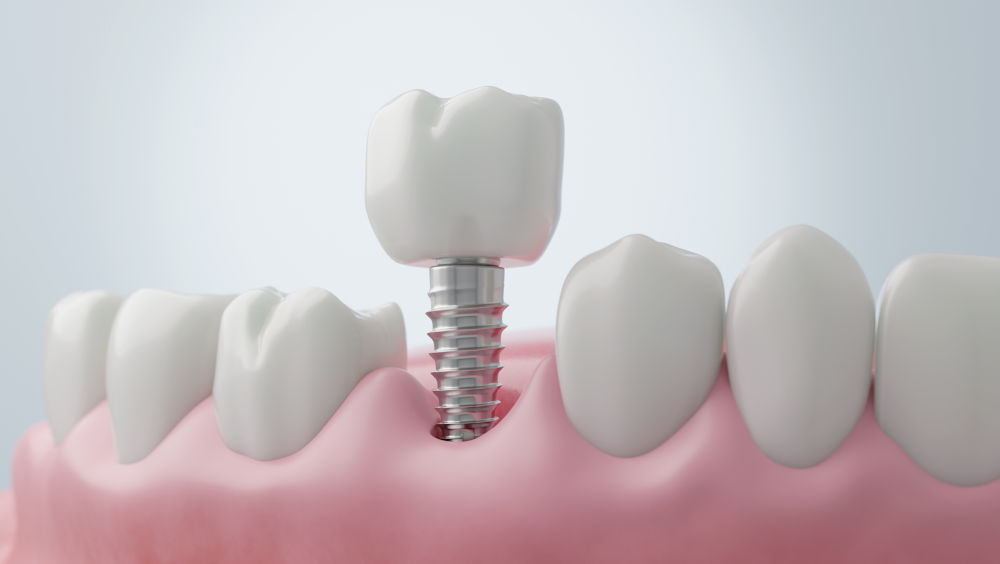
Many patients believe dental implants are permanent. While it’s true that implants can last for decades, calling them "forever" is a bit misleading. The implant post itself (the titanium root) can last a lifetime, but the surrounding gum tissue and restoration may require maintenance or replacement.
Myths vs. Reality
Myth: Dental implants are indestructible.
Reality: While highly durable, implants depend on healthy bone and gum support. Without proper hygiene, even the strongest implant can fail.
Myth: Once placed, implants need no maintenance.
Reality: Regular dental cleanings and professional monitoring are essential to detect early signs of peri-implantitis (gum inflammation around implants).
Expert Insights
Dr. Amir Guorgui, BSC, DMD, MACSD, explains:
"Dental implants are built to last a lifetime, but longevity depends on how they are maintained. Consistent hygiene and regular dental checkups are non-negotiable for long-term success."
Replacement Scenarios
Implant replacement may be necessary in rare cases, such as:
- Bone loss around the implant
- Gum recession due to periodontal disease
- Mechanical fracture of the implant or abutment
- Improper placement or load stress over time
Forums such as DentalTown Canada and Reddit’s r/Dentistry reveal that replacement rates are low but typically tied to hygiene lapses or trauma. Most patients who follow aftercare protocols never face replacement.
What factors can affect how long a dental implant lasts?
The lifespan of a dental implant is rarely just about the material — it’s about the patient. Certain lifestyle and health factors can dramatically alter outcomes.
Oral Hygiene
Good oral hygiene is the single most crucial factor. Daily brushing, flossing, and use of antibacterial rinses prevent peri-implantitis and gum inflammation.
Bone Density and Jaw Health
Bone quality affects how well an implant integrates. Individuals with higher bone density (often in the lower jaw) see longer-lasting results than those with bone resorption or osteoporosis.
Patient Health and Habits
| Factor | Effect on Implant Longevity | Notes |
|---|---|---|
| Smoking | Decreases the success rate by 15–20% | Reduces blood flow and healing |
| Bruxism (teeth grinding) | May cause mechanical stress fractures | Night guards recommended |
| Diabetes | Affects healing if uncontrolled | Stable blood sugar improves outcomes |
| Age | Minimal impact | Elderly patients often do well with proper hygiene |
Implant Quality and Placement Technique
High-quality implants, when placed by experienced professionals using guided surgery and 3D imaging, show dramatically higher success rates. Clinics like Pickering Smile Centre Dental use advanced diagnostic tools to optimize placement, reducing mechanical stress and improving integration.
Dental implants are one of the most reliable and long-lasting dental treatments available in Canada. While the implant post can last a lifetime, factors such as hygiene, lifestyle, and professional care also play a decisive role.
In summary:
- Titanium implants generally outperform.
- Regular professional care prevents most complications.
- Lifelong success depends more on maintenance than on material things.
How long do dental crowns on implants typically last?
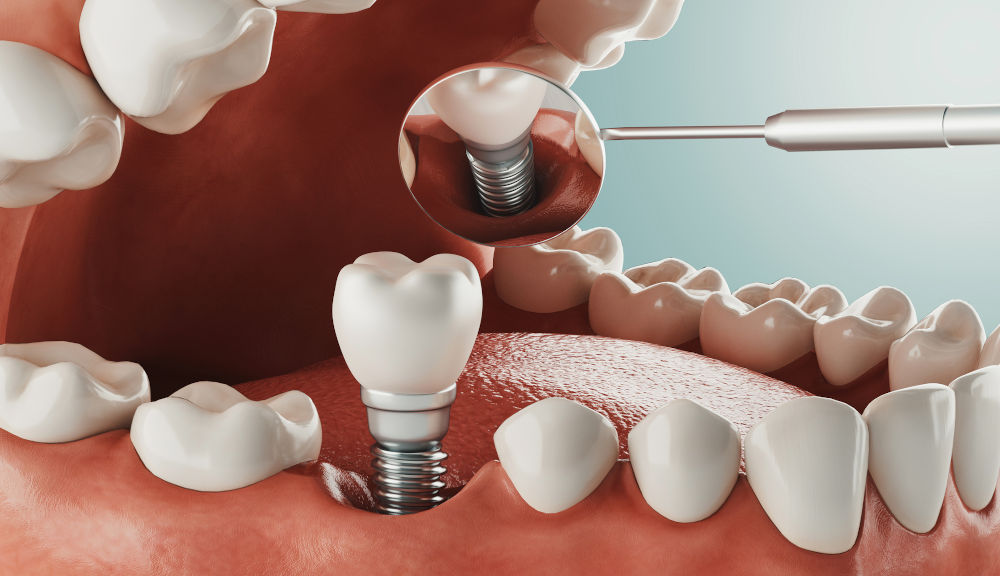
While dental implants can last a lifetime, the crowns attached to them have a shorter lifespan. The average dental crown on an implant lasts between 10 and 20 years, depending on the material, placement, and care.
Crown vs. Implant Post Lifespan
| Component | Average Lifespan | Material Type | Notes |
|---|---|---|---|
| Implant Post (Titanium) | 20–30+ years | Titanium | Fuses permanently with jawbone (osseointegration) |
| Crown (Porcelain Fused to Metal) | 10–15 years | Porcelain + metal base | Excellent durability and cost-effectiveness |
| Crown (Gold Alloy) | 20+ years | Gold-based alloy | Extremely durable, though less aesthetic |
The crown experiences wear from chewing, brushing, and normal use. Over time, small fractures or surface erosion can appear, particularly in porcelain crowns. A replacement crown can be placed without removing the underlying implant.
Signs of Crown Wear or Replacement Need
- Chips, cracks, or rough surfaces on the crown
- Gum irritation or inflammation near the implant site
- Visible dark line near the gum (for porcelain-fused-to-metal crowns)
- Discomfort when biting or chewing
Dr. Rob Eisen, DDS, notes:
"The implant itself can last for life, but the crown may need a refresh after 15 years or so. That’s perfectly normal — think of it like replacing the tires on a car that still runs great."
Regular checkups at Pickering Smile Centre Dental ensure that crowns are polished, adjusted, or replaced before issues arise.
What’s the difference in longevity between implants and other tooth replacement options?
Patients often ask how implants compare to bridges or dentures. The short answer: implants last the longest, require the least maintenance, and feel the most natural.
Longevity Comparison Table
| Tooth Replacement Option | Average Lifespan | Maintenance Level | Pros | Cons |
|---|---|---|---|---|
| Dental Implant | 20–30+ years | Moderate | Permanent, prevents bone loss, natural look | Higher upfront cost |
| Dental Bridge | 10–15 years | Moderate | Faster placement, aesthetic | Affects adjacent teeth, may trap food |
| Removable Denture | 5–10 years | High | Affordable, non-surgical | Can cause slurring, affect speech, and lead to bone resorption |
From a cost-benefit perspective, dental implants are the most sustainable tooth-replacement option available in Canada. They provide stability, preserve jawbone structure, and eliminate the need for adhesives or periodic refittings required by dentures.
How does aftercare impact dental implant longevity?
Even the most advanced dental implant will fail without proper maintenance. The aftercare phase determines how well an implant integrates and functions over time.
Step-by-Step Aftercare Guide
- Immediate Post-Surgery (First Week)
- Avoid hard or sticky foods.
- Rinse gently with warm saltwater.
- Follow your dentist’s antibiotic or pain management plan.
- First Three Months
- Maintain a soft diet to minimize pressure on the implant.
- Gently brush around the surgical site with a soft-bristle toothbrush.
- Avoid smoking and alcohol, which delay healing.
- After Osseointegration (3–6 Months)
- Resume a regular diet gradually.
- Schedule follow-up appointments to assess bone integration.
- Continue daily flossing and antibacterial rinses.
- Long-Term Maintenance
- Professional cleaning every six months.
- Avoid grinding; consider a night guard if bruxism is present.
- Replace worn crowns or components as advised.
Why Aftercare Matters
Patients who adhered to prescribed aftercare showed a 99% implant success rate after 10 years, compared to 85% among those who skipped professional maintenance.
Recommended Care Plan
At Pickering Smile Centre Dental, the aftercare protocol typically includes:
- Biannual checkups for implant stability and gum health
- Professional polishing to remove bacterial biofilm
- Periodic X-rays to monitor bone density and implant positioning
In summary:
- Implants last longer than any other restoration method.
- Crowns typically last 10–20 years and can be easily replaced.
- Aftercare, including regular dental visits, is crucial for longevity.
Can lifestyle choices shorten the life of a dental implant?
Absolutely. Even the best dental implants can fail prematurely if lifestyle habits aren’t managed properly. Smoking, excessive alcohol consumption, bruxism (grinding), and neglecting oral hygiene can all compromise implant health.
How Lifestyle Choices Impact Implant Longevity
| Lifestyle Habit | Impact on Implant | Research-Based Evidence |
|---|---|---|
| Smoking | Reduces blood flow to gums, slows healing, and increases infection risk | According to the Canadian Dental Journal (2023), smokers have a 15–20% higher failure rate. |
| Excessive Alcohol Use | Impairs bone regeneration and healing | Journal of Oral Implantology notes delayed osseointegration in heavy drinkers. |
| Bruxism (Teeth Grinding) | Causes microfractures and stress on implants | International Journal of Prosthodontics (2022) links bruxism with mechanical overload failures. |
| Poor Hygiene | Leads to peri-implantitis (gum inflammation) | The Canadian Dental Association warns that this is the most common cause of long-term failure. |
| Neglecting Checkups | Delays the detection of early complications | Forums like Reddit’s r/Dentistry include many user stories of preventable implant loss due to missed checkups. |
Small adjustments — quitting smoking, limiting alcohol, wearing a night guard — can add decades to the life of an implant. Patients who follow a healthy routine and attend biannual visits at Pickering Smile Centre Dental consistently experience long-term success.
How often should dental implants be checked by a professional?
Even if your dental implant feels perfectly fine, routine checkups are essential. Dentists can identify subtle warning signs invisible to patients, such as gum inflammation or bone loss.
Recommended Checkup Frequency
| Time Since Implant Placement | Recommended Visit Frequency | Purpose |
|---|---|---|
| First Year | Every 3–4 months | Monitor osseointegration and soft tissue health |
| Years 1–5 | Every 6 months | Clean implant surfaces, assess bone and gum health |
| After 5 Years | Annually | Ensure long-term structural integrity |
At Pickering Smile Centre Dental, follow-up protocols are tailored to each patient, ensuring long-term monitoring and proactive management.
What are common signs that a dental implant is failing or needs repair?
Dental implant failure doesn’t happen overnight — it’s a gradual process that can often be reversed with early detection. Knowing what to watch for can save the implant and the surrounding bone.
Warning Signs of Implant Failure
| Sign | Description | What It Means |
|---|---|---|
| Gum Inflammation or Bleeding | Swollen, red gums near the implant | Early peri-implantitis—requires professional cleaning |
| Discomfort or Pain When Biting | New sensitivity or pressure on the implant | Possible bone loss or loose abutment |
| Shifting or Looseness | The implant feels mobile when chewing | May indicate bone detachment—urgent evaluation needed |
| Pus or Odour | Discharge or bad taste around the site | An infection that can spread quickly |
| Bone Loss (Visible in X-rays) | Gradual reduction in jawbone density | Indicates chronic inflammation or overload |
Dental implant longevity relies as much on patient behaviour as on clinical excellence. Healthy habits, consistent aftercare, and timely checkups ensure decades of function and aesthetics.

How long do mini implants or same-day implants last compared to standard ones?
Advancements in implant dentistry have introduced smaller, faster options, such as mini-implants and same-day implants. While these newer types provide excellent solutions for specific cases, they generally do not match the longevity of traditional implants.
Comparison of Implant Types
| Implant Type | Average Lifespan | Placement Time | Best For | Key Limitations |
|---|---|---|---|---|
| Standard Implant (Titanium) | 20–30+ years | Two-stage (3–6 months healing) | Most patients | Requires sufficient bone density |
| Mini Implant | 7–10 years | Single-stage | Supporting dentures, limited bone | A smaller diameter means reduced stability |
| Same-Day (Immediate Load) Implant | 10–15 years | Placed and restored in one visit | Time-sensitive patients | Higher short-term failure risk if healing is compromised |
Proper Use Cases
Mini and same-day implants are best suited for:
- Patients with limited bone height or density
- Those needing denture stabilization
- Individuals prioritizing shorter treatment time
However, they are not ideal for heavy biters, those with untreated gum disease, or smokers.
How long do dental implants last, and what should patients remember?
Dental implants are among the most durable medical restorations available, but their longevity depends on type, materials, lifestyle, and maintenance. Patients who commit to professional care and healthy habits often enjoy their implants for life.
Lifespan Summary Table
| Implant Type | Typical Lifespan | Key Influencing Factors |
|---|---|---|
| Standard Titanium Implant | 20–30+ years | Excellent bone integration, strong material |
| Mini Implant | 7–10 years | Smaller diameter, suited for lower bite loads |
| Same-Day Implant | 10–15 years | Dependent on bone quality and immediate stability |
| Implant Crown | 10–20 years | Subject to wear and tear, replaceable |
Final Thoughts for Patients
- Choose quality over speed: Standard implants last the longest.
- Maintenance matters: Follow aftercare guidelines and attend regular checkups.
- Lifestyle influences outcomes: Avoid smoking and grinding.
By combining modern implant technology with consistent aftercare from experts like those at Pickering Smile Centre Dental, patients can achieve decades of confident smiles.
Bibliography:
- Journal of Oral Implantology (2024)
- Canadian Dental Association Journal (2024)
- International Journal of Prosthodontics (2023)
- Canadian Oral Health Forum (2024)
FAQ: How Long Do Dental Implants Last in Canada?
What is the average lifespan of dental implants in Canada?
Dental implants in Canada typically last 20–30 years or longer. Titanium implants show the highest success rate — around 95% after 10 years, according to the Journal of Clinical Implant Dentistry (2022).
Do dental implants need to be replaced?
Implants can last a lifetime, but the crown or surrounding gum tissue may need replacement over time due to wear, bone loss, or gum recession.
What factors can affect the lifespan of a dental implant?
Smoking, poor hygiene, bruxism, and uncontrolled diabetes can shorten implant lifespan. Regular checkups and proper oral care can extend it for decades.
How often should dental implants be checked by a dentist?
Dental implants should be checked every six months, especially during the first five years after placement. Regular visits help detect early issues like gum inflammation or bone loss.
How long do mini or same-day implants last?
Mini implants usually last 7–10 years, and same-day implants around 10–15 years, while standard titanium implants last 20–30 years or more with proper care.
Can lifestyle choices shorten the life of an implant?
Yes. Smoking, alcohol, and teeth grinding reduce implant success rates. Using a night guard and quitting smoking can add decades to implant life.